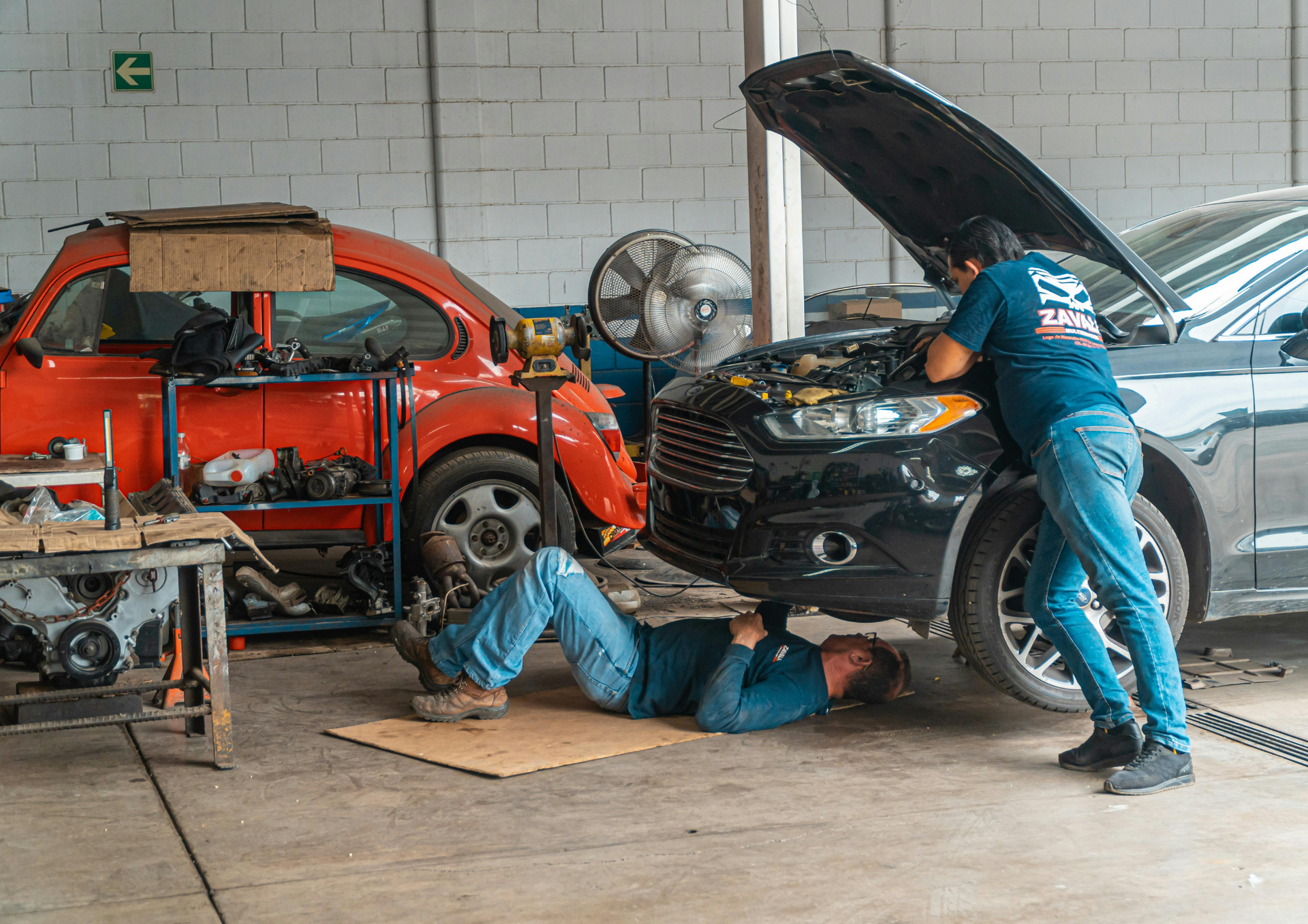
Why Overheating Problems Often Start Small in Car Repair Garages
Overheating is one of the most common causes of major engine damage, yet it rarely begins as a dramatic failure. In many cases, the earliest warning signs are subtle and easy to overlook. At AutoHaus Luton, we regularly see vehicles brought in with severe overheating damage that could have been prevented with earlier attention. Experienced car repair garages understand that engines usually give plenty of warning before temperatures reach dangerous levels, but these signals are often mistaken for minor inconveniences.
Modern engines are built to run within a precise temperature range. When that balance is disrupted, even slightly, wear and stress begin to increase. What starts as a small drop in coolant, a tired hose, or a slow fan response can gradually develop into warped components, blown head gaskets, or complete engine failure. Understanding how these issues develop helps motorists take action before repair costs escalate.
This guide explains how overheating issues often begin, how they develop, and what motorists can do to protect their engines.
Minor Cooling System Leaks Are Easy to Miss
Small coolant leaks are among the most common starting points for overheating. A tiny split in a hose, a worn clamp, or a slightly degraded seal can allow coolant to escape slowly over time. Because the loss is gradual, many drivers do not notice an immediate change in performance or temperature readings.
As coolant levels drop, the engine loses its ability to regulate heat effectively. The system may still cope during short journeys, which can give a false sense of security. Over time, however, the reduced coolant volume causes hotspots within the engine, increasing internal stress. These hotspots can damage gaskets, sensors, and metal components long before the temperature gauge shows a clear warning.
Routine inspections carried out during an auto service are designed to catch these early signs. Pressure testing, visual hose checks, and coolant condition assessments can identify minor leaks before they escalate into overheating events that leave vehicles stranded or require extensive repairs.
Sensors and Warning Lights Don’t Always Tell the Full Story
Modern vehicles rely heavily on sensors to monitor engine temperature and cooling system performance. While these systems are effective, they are not infallible. A faulty temperature sensor or ageing wiring can delay or prevent warning lights from activating when an engine begins to run hot.
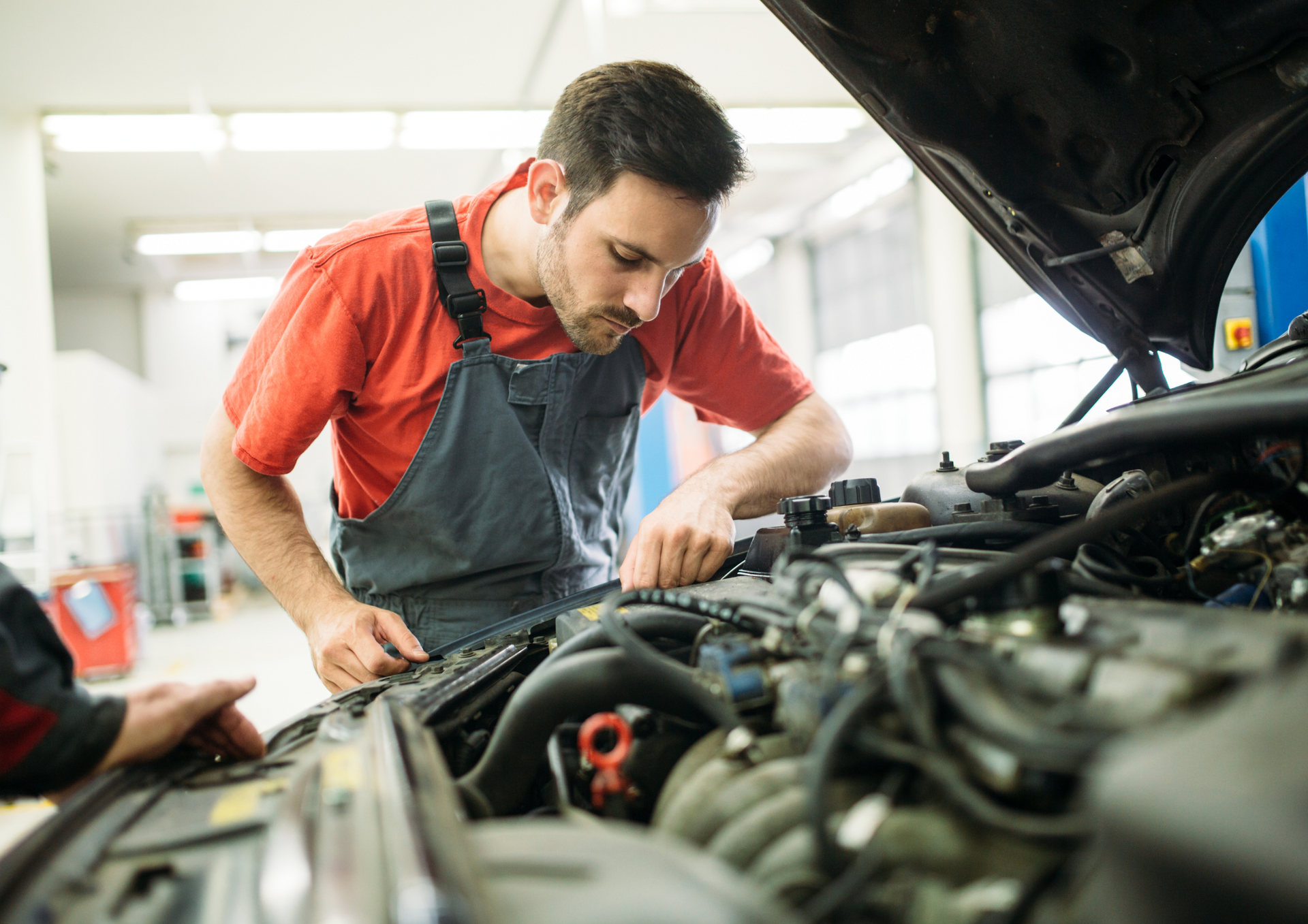
This creates a dangerous situation where drivers believe everything is operating normally while internal temperatures are already climbing. In some cases, the first visible symptom is steam from under the bonnet or a sudden loss of power, by which point damage may already be occurring.
Experienced technicians at auto repair shops frequently encounter vehicles where the cooling system fault was present long before the driver became aware of it. Regular diagnostic checks can reveal inconsistent sensor readings and stored fault codes, helping to identify developing overheating issues before they become critical.
Poor Airflow Can Gradually Raise Engine Temperatures
Engines depend on proper airflow through the radiator to disperse heat. When airflow is restricted, temperatures can rise slowly and unpredictably. Common causes include debris buildup, damaged radiator fins, or malfunctioning cooling fans.
Urban driving, frequent idling, and stop-start traffic place extra demands on cooling systems. If a fan motor is weakening or airflow is partially blocked, the engine may only overheat under specific conditions, making the issue harder to diagnose. Drivers might notice the problem only during warmer weather or after long periods in traffic.
Work carried out by an auto body repair shop can also inadvertently affect airflow if panels, grilles, or undertrays are misaligned. This is why post-repair inspections are important, ensuring that all cooling pathways are clear and functioning as designed.
Delayed Maintenance Allows Small Faults to Escalate
One of the biggest contributors to overheating problems is delayed or inconsistent maintenance. Coolant degrades over time, losing its ability to transfer heat and protect against corrosion. Old coolant can lead to internal blockages that restrict flow and reduce cooling efficiency.
Similarly, components such as thermostats and water pumps wear gradually. A thermostat that opens slightly late or a pump that circulates coolant less efficiently may not cause immediate overheating but will place the engine under ongoing thermal stress. Over months of use, this stress accumulates and can lead to sudden failure.
Drivers searching for auto repair near me are often reacting to a problem that has already reached an advanced stage. Preventative maintenance, carried out at sensible intervals, remains the most effective way to stop small cooling issues from turning into major engine damage.
This proactive approach is strongly recommended by experienced car repair garages that see the long-term consequences of neglect first-hand.
At
AutoHaus Luton, we take a preventative approach to vehicle care, focusing on identifying issues before they become costly repairs. As one of the trusted
car repair garages in the area, our experienced technicians understand how overheating problems develop and use thorough inspections and diagnostics to pinpoint early warning signs. We provide clear advice, professional workmanship, and a reliable service tailored to the needs of drivers, vehicle owners, and fleet operators.
Update on X:
Car repair garages reveal why overheating problems often start small!